









Complete Guide to Robotic Bag Palletizers | Boost Stacking Efficiency & ROI
2026-09-21

Target Keyword: robotic bag palletizer
Secondary Keywords: robotic bag palletizing system, automated bag stacking, bag palletizing gripper, heavy duty bag palletizer
Handling heavy, dusty, and irregularly shaped bags—such as 25kg or 50kg sacks of cement, grain, fertilizer, or chemical powders—is one of the most physically demanding tasks on any production floor. Manual bag stacking leads to high labor turnover, frequent ergonomic injuries, and unstable pallet loads that risk damage during transit.
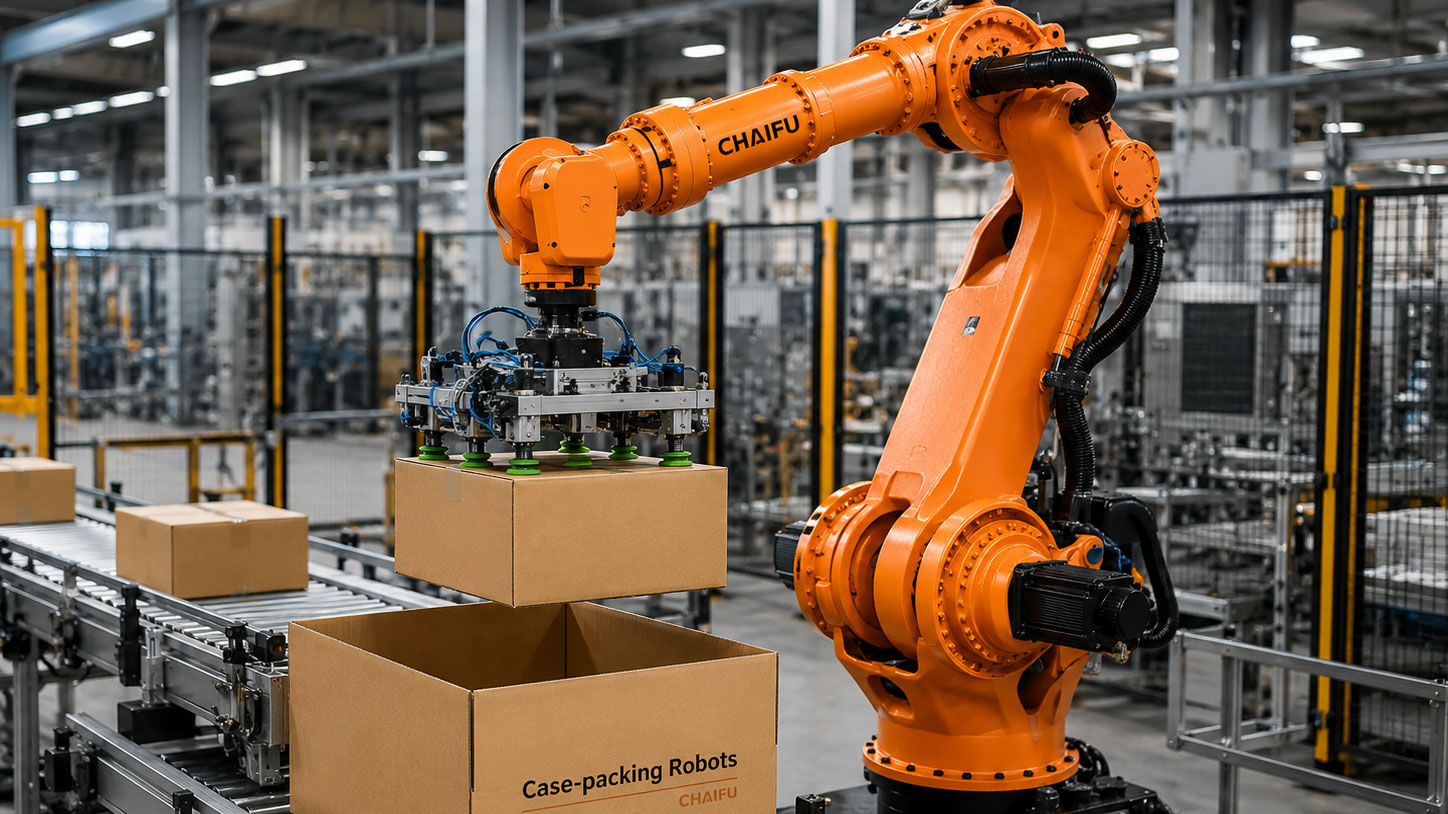
A modern robotic bag palletizer solves these challenges by combining heavy-duty 4-axis or 6-axis industrial robots with specialized end-of-arm tooling (EOAT). This guide explores how a robotic bag palletizing system works, how to choose the right gripper, and how to calculate your expected return on investment (ROI).

What is a Robotic Bag Palletizer?
A robotic bag palletizer is an automated cell designed to pick filled, sealed bags from an infeed conveyor and stack them onto pallets according to precise, pre-programmed layer patterns.
Unlike traditional high-level mechanical palletizers, a robotic bag palletizing system occupies a smaller floor space, offers multi-line stacking capabilities, and can effortlessly adjust to different bag dimensions, materials (paper, woven polypropylene, poly bags), and pallet layer layouts.
Key Components of a Complete Bag Palletizing Cell
A high-efficiency robotic bag palletizing cell relies on several synchronized subsystems to ensure smooth, continuous operation:
[ Bag Infeed ] ──> [ Bag Flattener / Shaper ] ──> [ Pick Station ] ──> [ Industrial Robot & EOAT ] ──> [ Outfeed Conveyor / Stretch Wrapper ] │ [ Pallet Dispenser ]
| Subsystem | Function in Bag Palletizing |
| 1. Palletizing Robot Arm | High-payload 4-axis or 6-axis robot (typically 100kg to 300kg payload) designed for continuous high-speed movement. |
| 2. End-of-Arm Tooling (EOAT) | Custom grippers engineered specifically to lift bags from the bottom, top, or sides without tearing the material. |
| 3. Bag Conditioning Conveyor | A bag flattener or leveling press that distributes internal contents evenly to create flat, square bags for stable stacking. |
| 4. Automatic Pallet Dispenser | Holds a stack of empty pallets and feeds them one by one into the pick cell, minimizing fork-truck interventions. |
| 5. Slip Sheet Dispenser (Optional) | Automatically places protective cardboard or plastic sheets between layers or on top of the empty pallet. |
| 6. Safety Enclosure & Interlocks | Perimeter fencing, light curtains, and safety interlocked gates complying with ISO and OSHA standards. |
How to Choose the Right Gripper (EOAT) for Bags
The end-of-arm tooling is the most critical element of any robotic bag palletizer. Choosing the wrong gripper can result in dropped bags, torn materials, or unstable pallet stacks.
+-----------------------------------+ | Which Bag Gripper Do You Need? | +-----------------------------------+ | +-------------------------+-------------------------+ | | [ Paper / Woven Poly Bags ] [ Porous / Mesh Bags ] | | v v +-----------------------------+ +-----------------------------+ | Clamshell / Scoop Gripper | | Fork / Comb-Style Gripper | | - Supports bag from bottom | | - Tightly interlocking tines| | - Eliminates tear risk | | - Ideal for open-weave sacks| +-----------------------------+ +-----------------------------+
1. Clamshell / Scoop Grippers (Most Popular for Heavy Bags)
How It Works: Mechanical jaws close around the bag, while support plates slide underneath to lift the bag from the bottom.
Best For: 25kg to 50kg valve bags, paper sacks, and plastic bags containing granules or powders.
Key Advantage: Takes 100% of the weight off the bag material, completely preventing tears or seam ruptures.
2. Fork / Comb-Style Grippers
How It Works: Tines drive beneath the bag on the conveyor, lift it, and use overhead clamp plates to keep it stationary during rotation.
Best For: Woven polypropylene (PP) bags, burlap sacks, and high-speed operations.
Key Advantage: Excellent for porous materials where vacuum cups cannot pull a proper seal.
3. Vacuum / Foam Pad Grippers
How It Works: Uses large area vacuum foam pads to hold the top surface of the bag.
Best For: Tightly sealed, non-porous poly bags under 25kg.
Key Advantage: Compact footprint and fast cycle times, though less suited for dusty or breathable paper sacks.
Throughput Rates: How Fast Can a Robotic Bag Palletizer Stacking System Go?
Throughput depends on robot payload, gripper type, bag weight, and whether multi-bag picking is used:
Single-Bag Pick: 10 to 18 bags per minute (BPM)
Dual-Bag Pick (Double Gripper): 20 to 28 bags per minute (BPM)
Layer-Handling Systems: Up to 35+ bags per minute
ROI Calculation: Evaluating the Financial Return
A robotic bag palletizing system is a high-value capital investment that delivers strong returns through labor savings, damage reduction, and increased uptime.
Example ROI Scenario:
Initial System Investment: $180,000 (Robot arm, clamshell gripper, pallet dispenser, safety fencing, integration).
Labor Savings: Replaces 3 operators across 2 shifts = $110,000/year.
Product Damage Savings: Eliminating torn bags and spilled product = $15,000/year.
Total Annual Benefit: $125,000/year.
Most manufacturing facilities achieve full system payback within 14 to 18 months.
Key Questions to Ask Before Purchasing a Robotic Bag Palletizer
Before finalizing your specifications with an automation integrator, verify these crucial details:
Bag Material & Breathability: Is the material permeable paper, woven PP, or sealed polyethylene?
Bag Leveling Capability: Do you need an inline roller flattener to press air out of the bags before picking?
Pallet Pattern Software: Does the robot controller include an intuitive pattern generator HMI for quick recipe switches?
Dust Protection: Does the robot require an IP65 or IP67 harsh environment rating for abrasive powder handling?



1.jpg)
.png)
