










High-Precision Die Casting Robots: Streamlining Automation in Foundries
2026-09-08

The metal casting and foundry industry demands rugged, high-performance machinery capable of operating in extreme environments. Die casting robots have become indispensable for automated foundries, taking over heavy lifting, molten metal handling, and harsh thermal processing tasks.
Implementing robotic systems in die casting applications drastically improves product consistency, reduces cycle times, and enhances workplace safety.
What Are Die Casting Robots?
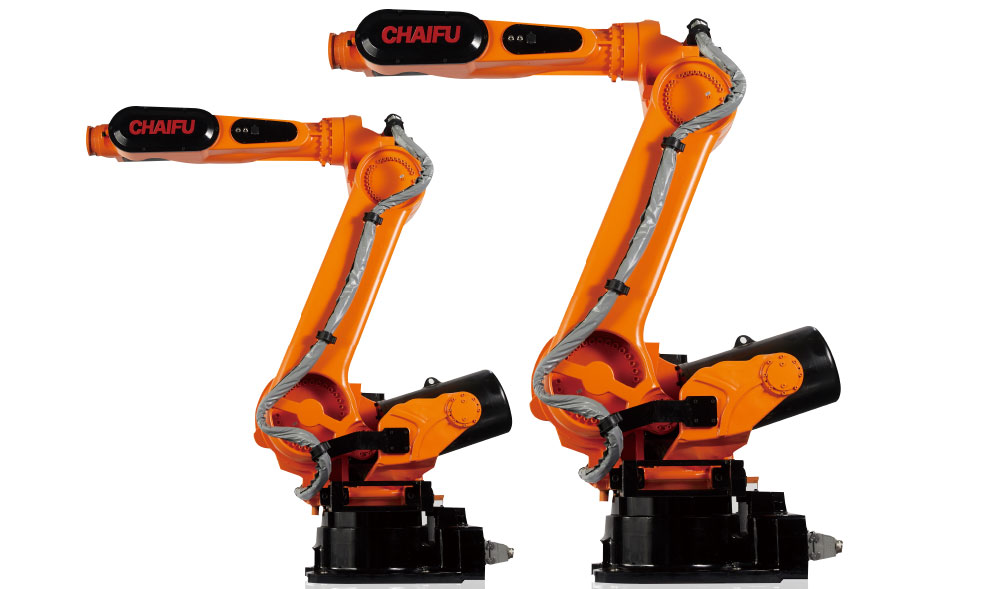
Die casting robots are heavy-duty, multi-axis industrial articulated manipulators specifically designed for the foundry and metalworking sector. Equipped with high IP ratings (such as IP67/IP69K) and heat-resistant protection, these robots automate critical stages in the die casting cell:
u Automatic Ladling: Pouring molten metal with exact volume precision.
u Die Spraying: Applying lubricants evenly across molds to ensure optimal release and thermal management.
u Part Extraction: Removing high-temperature cast parts safely without damage.
u Trimming & Deburring: Removing flash and excess material efficiently post-casting.
Key Benefits of Implementing Die Casting Robots
1. Superior Thermal Resistance and Durability
Foundries present harsh conditions with extreme heat, dust, and corrosive vapors. Specialized die casting robots feature enclosed arm structures, pressurized wrist chambers, and high-temp protective coats, ensuring uninterrupted 24/7 operation.
2. Higher Precision and Lower Defect Rates
Controlled robotic motion guarantees consistent lubricant spraying and precise molten metal pouring. This repeatability minimizes air entrapment, porosity, and thermal shock, dramatically improving part quality.
3. Accelerated Cycle Times
Automating extraction, spraying, and cooling lowers overall process duration. Industrial robot arms execute high-speed, synchronized movements that maximize die casting machine utilization.
4. Improved Operator Safety
Die casting environments present severe burn, pinch, and airborne hazards. Deploying robotic manipulators removes human operators from dangerous zones, ensuring compliance with international industrial safety standards.
Key Applications in Automated Die Casting Cells
Application Stage | Robotic Function | Key Equipment Needed |
Molten Metal Ladling | Dose and transfer liquid metal into shot sleeve | High-payload articulated robot arm |
Mold Spraying & Drying | Apply release agent & dry die cavity | Integrated spray tool end-effector |
Part Unloading | Extract hot castings from die machine | Heat-resistant pneumatic/servo gripper |
Quenching & Trimming | Cool part in water bath and trim flash | Heavy-duty 6-axis manipulator & press |
How to Choose the Right Die Casting Robot Manufacturer
Selecting the right automation supplier is vital for seamless integration into your foundry line:
1. Payload and Reach Capacity: Ensure the robot handles heavy castings plus specialized end-of-arm tooling (EOAT).
2. IP Protection Rating: Look for minimum IP67 wrist protection to resist water, oil, and dust ingress.
3. Turnkey Integration Support: Choose manufacturers offering complete cell solutions, including PLC integration, custom grippers, and safety fencing.
Partner with Chaifu for Advanced Die Casting Automation
Chaifu delivers robust, high-payload industrial robots tailored for heavy-duty metalworking and automated foundry applications. Contact our engineering team today to get a custom B2B quotation for your die casting cell.



.png)


