






What are the differences between palletizers and palletizing robots?
2019-03-28

Palletizers can be divided into two types: mechanical palletizers and robotic palletizers. Mechanical palletizers can be further categorized into turntable-type palletizers and gripper-type palletizers. Their ability to effectively complete palletizing tasks relies primarily on their efficiency and intelligence. If you wish to palletize products according to a pre-programmed system, you can achieve this by entering the relevant product specifications into the palletizer's system.
Standard palletizers typically keep the pallet on the floor during the loading process, and they are designed to operate at any height compatible with their system programming; they can even accept pallets at floor level. In contrast, high-end palletizing machines lift a pallet significantly to build multi-tiered stacks of products. Once the required number of layers on the pallet is completed, it is lowered onto a pallet conveyor and transported to the pallet discharge area.
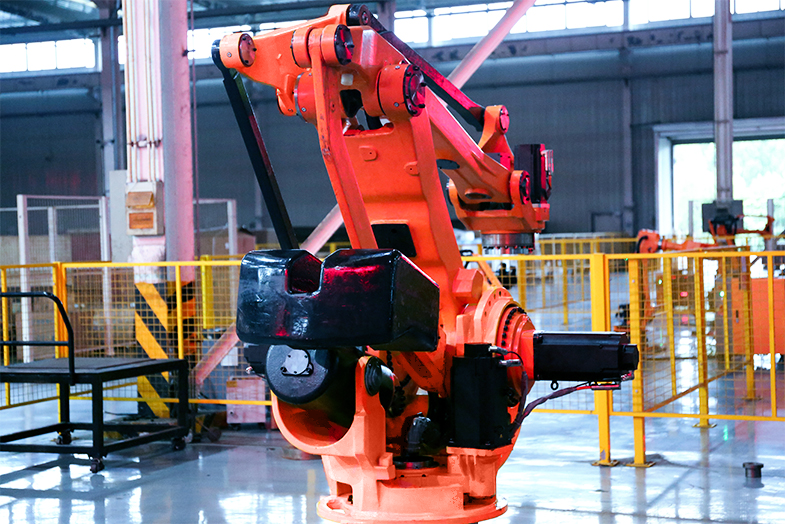
Compared to traditional palletizing methods, robotic palletizers automate the palletizing process, not only simplifying the task but also adapting to various packaging applications. Furthermore, packaging requirements regarding size, shape, and material can make palletizing more complex and varied; however, as long as the system adapts to flexible operating modes or is equipped with suitable end-of-arm tooling, it can accommodate different packaging requirements.
Such a palletizing system significantly simplifies the entire packaging process, which is a key reason for the widespread adoption of palletizers.