






The use of material-handling robots in logistics has greatly improved work efficiency.
2019-03-28

With the rapid development of e-commerce, the logistics industry has moved from behind the scenes to the forefront. Today, as the logistics sector experiences rapid growth, the extent to which material-handling robot technology is adopted has become a key factor in determining competition among companies and their future development. Material-handling robots are playing an increasingly significant role in addressing labor shortages, improving productivity, enhancing product quality, and reducing production costs.
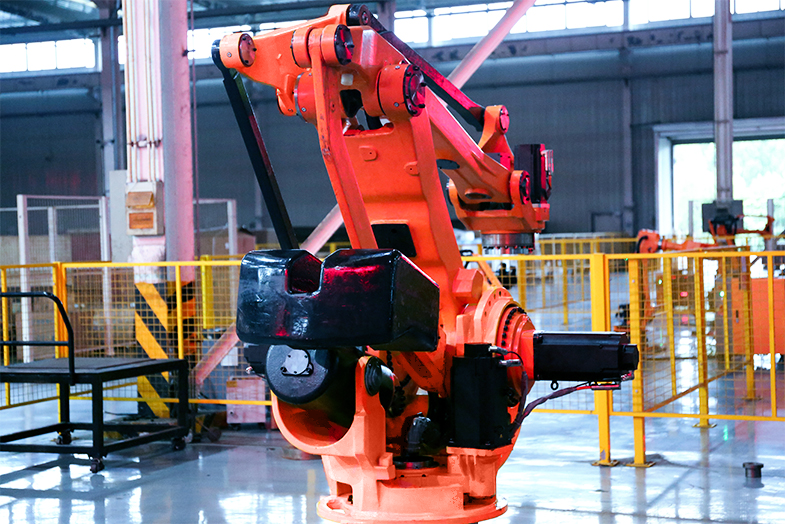
The role of material-handling robots is to reduce manual labor and minimize the workforce. In an enterprise that has achieved industrial automation, when you need to move a specific item, all you need to do is issue a command. A palletizing robot will retrieve the workpiece from the automated storage and retrieval system (AS/RS), hand it over to a material-handling robot, and then have it transported by an unmanned transport vehicle to the assembly line. After identification and verification by an intelligent camera, an industrial robot will transport it to another assembly line and stack it properly.
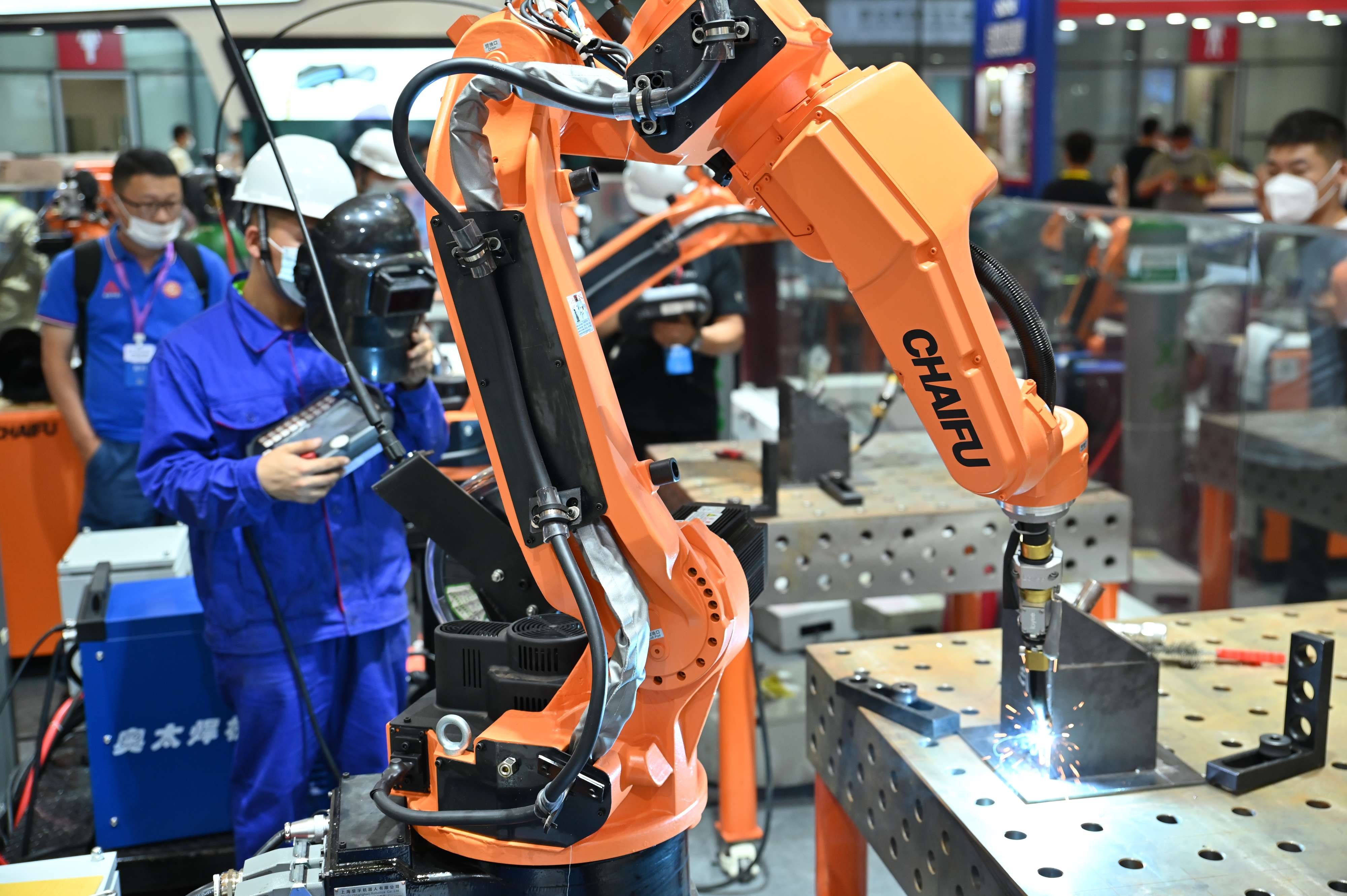
ChaiFu material-handling robots form a powerful robotic matrix within the warehouse. Through efficient task orchestration, optimized scheduling algorithms, high-precision positioning and navigation technology, and a seamless human-machine interaction experience, they coordinate multiple robots to work simultaneously, achieving seamless coordination between robots and between robots and humans. Warehouse robots transport material racks across different zones, enabling efficient flow of goods between stations and significantly reducing the walking distances for warehouse workers. Compared to manually operated warehouses, warehouses using material-handling robots achieve a 50% increase in transportation efficiency!